ServicesBusiness and Property Sales
Business and Property Sales in Jonestown
If you own the business and the real estate it runs on, you have two assets to sell, not one. We value each on its own, help you choose between selling the building and leasing it, then market both quietly to serious buyers.
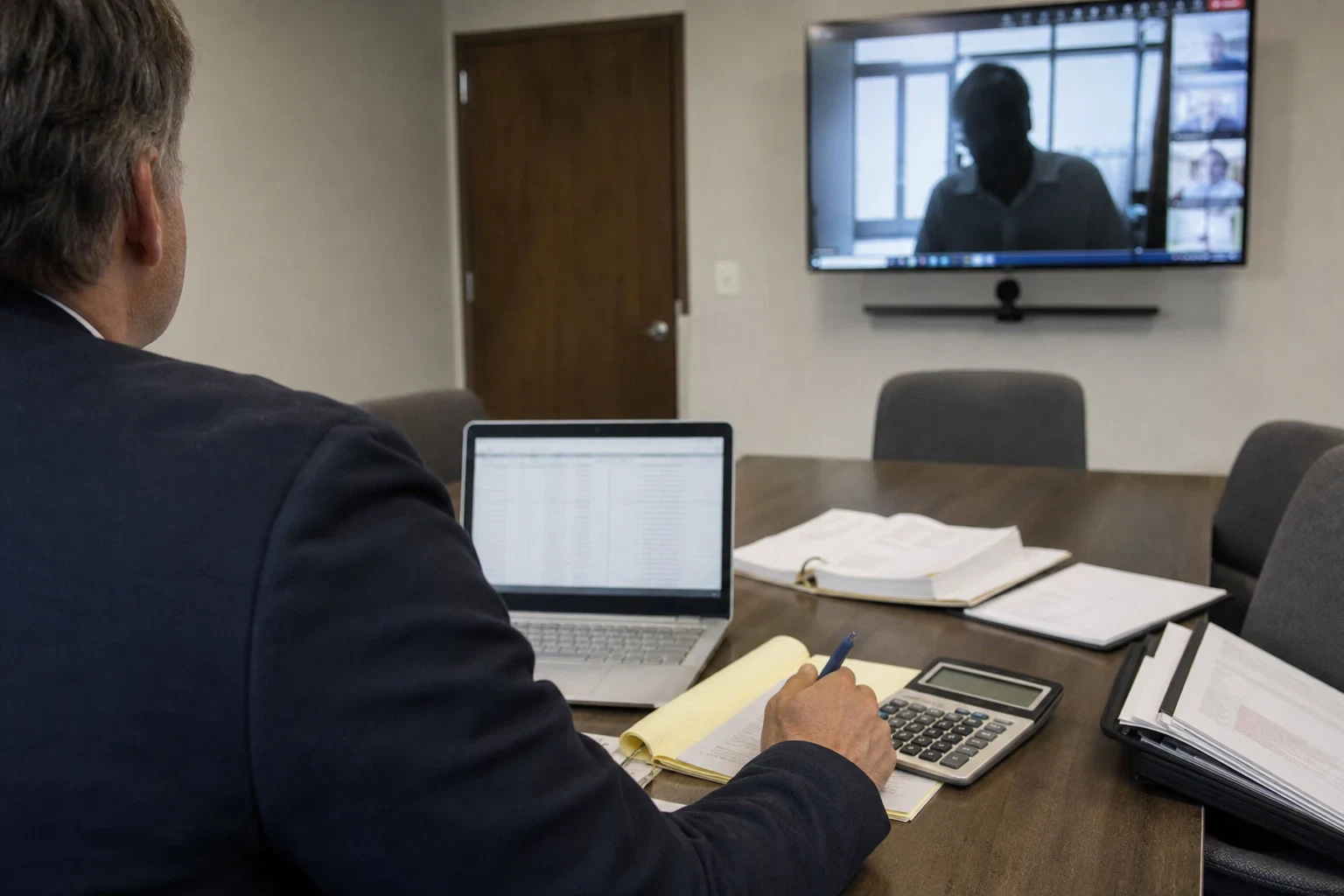
One sale, two things to price
Many owners bought their building long ago, and today the land and structure can be worth as much as the company operating there. That affects how the sale is priced, financed and taxed.
Buyers and lenders judge each part on its own terms. A business is priced on what it earns. A building is priced like other commercial property, through an appraisal and recent comparable sales. We keep those figures apart so you know what each is worth and no one mixes them to justify a price.
You pay nothing up front to list with us, and we ask for no retainer. Every fee is in writing before you sign. We're paid at closing from the seller's proceeds, so if the sale doesn't close, we earn nothing.
What we handle on a combined sale
- Separate values for business and property
- We work up a valuation of the business from your books and line it up next to what the real estate is likely to appraise for. You see both figures before anything goes to market.
- Sell or lease advice
- Some owners want a clean break. Others keep the building and collect rent from the new owner. We lay out what each choice means for your cash at closing and your income in the years that follow.
- Lease terms if you keep the building
- If you lease to the buyer, the rent, length of term, renewal options and any option to buy later all affect the sale price of the business. We help set terms a buyer's lender will accept.
- Confidential marketing
- Your listing goes out without your name or address. New listings go to registered buyers first, and buyers sign a confidentiality agreement before they see details.
- Due diligence coordination
- Property deals bring extra paperwork: survey, title work, appraisal and sometimes an environmental report. We keep the buyer, lender, title company and your attorney or CPA moving on the same timeline.
When a combined sale makes sense
The deed has your name on it
If the building is titled to you or a company you control, the property belongs in the plan, even if you end up keeping it.
The real estate is a big share of your net worth
When the building is worth more than the business, how you handle it matters more than any other decision in the sale.
You want income after you leave
Leasing the property to the buyer can give you monthly rent for years. It also keeps you tied to the place, which suits some sellers and not others.
Buyers keep asking about the building
Many buyers and lenders prefer owning the real estate because it secures the loan and protects them from a future landlord raising the rent.
The building needs upkeep
An aging roof, parking lot or HVAC system will come up in inspection. It is better to know early and decide whether to fix it or price it in.
What moves the cost of a combined sale
You pay us nothing until the sale closes, and our fee comes out of the proceeds. The deal itself has outside costs that depend on the property and how it is sold. We go over them early so nothing shows up as a surprise at the closing table.
Size and type of deal
A small business in a leased-back building is simpler than a large operation selling land, building and equipment together. More moving parts means more work on both sides.
Third-party reports
The buyer's lender usually orders an appraisal. Many also want a survey, and businesses like auto shops, fuel stations or dry cleaners often need an environmental review.
Condition of the property
Deferred upkeep found during inspection can lead to a price cut or a credit at closing. Knowing about it up front gives you more control.
How the price is split
How the price is divided among land, building, equipment and goodwill changes your taxes. We recommend you have your CPA review the allocation before you sign.
How a business and property sale runs
- 1
Free consultation
We talk at our office, by phone or by video. You tell us what you own, how the property is titled and what you want out of the sale. It is free and confidential.
- 2
Value both pieces
We build the business valuation and look at what the property should bring. Then we walk you through sell, lease, or lease with an option to buy.
- 3
Market to the right buyers
We prepare a confidential listing and send it to registered buyers first, then to a wider pool. We screen each buyer for funds and experience before they see your name.
- 4
Due diligence and closing
Once you accept an offer, the buyer reviews the books and the property. We track the survey, title, appraisal and loan approval so closing does not stall on one late report.
- 5
We check back after closing
A few weeks after the deal closes, we call. We go over any transition duties, lease questions or seller note payments, and make sure the handoff is going the way the contract says it should.

Selling your business and its property: common questions
Does the building have to go with the business?
No. You can sell both, keep the building and rent it to the buyer, or rent it with an option for the buyer to buy it later. Each route changes the cash you walk away with and what you still hold afterward, and we show you the numbers for each.
Can one loan cover both the business and the real estate?
Frequently. Lenders often welcome real estate in a deal because it backs the loan, and it can mean a longer payback period. Through our acquisition financing guidance, we help buyers find a lender that does combined deals.
How do you split the value between the property and the business?
We price the business on what it earns its owner, and the property on appraisals and recent commercial sales nearby. Keeping the two apart means a good building can't mask a weak business, and a strong business can't prop up a tired building.
What rent should I set if the buyer leases from me?
Aim near what comparable space rents for. Too high, and the business gets harder to sell and to finance. Too low, and you give up income you're owed. We help you land on a figure a lender will sign off on.
Will my staff or tenants learn the property is on the market?
Not through us. Your listing leaves out your name and address, and every buyer signs a confidentiality agreement before seeing more. Visits happen after hours or are explained however you prefer.
Do you stay involved after closing?
Yes. We call to see how the transition is going, answer lease or seller note questions, and help clear up anything the contract left vague. Sellers in Jonestown, Leander and Cedar Park often find questions come up in those first few months.
Find out what your business and building are worth
Tell us what you own and what you want next. We will give you a free, confidential consultation and an honest read on selling, leasing or both.